Selling a POS system isn’t just about listing features, it’s about showing real value to your buyers. Most business owners don’t care about technical terms; they care about solving everyday problems, like long checkout lines, staff mistakes, or messy reports.
If you want to increase your POS system sales, you need to speak their language. Show them how your system makes work easier, saves time, and reduces stress. With the right approach, you can turn a hesitant buyer into a confident customer without confusing them with jargon.
What Buyers Really Care About
Many buyers look confused when they hear words like integration, modules, or advanced reporting. It is not because they do not care. It is because they need someone who understands their pain first. When you understand their problems, your sales pitch gains real impact, helping you improve customer experience with a POS machine and make every interaction smoother and more efficient.
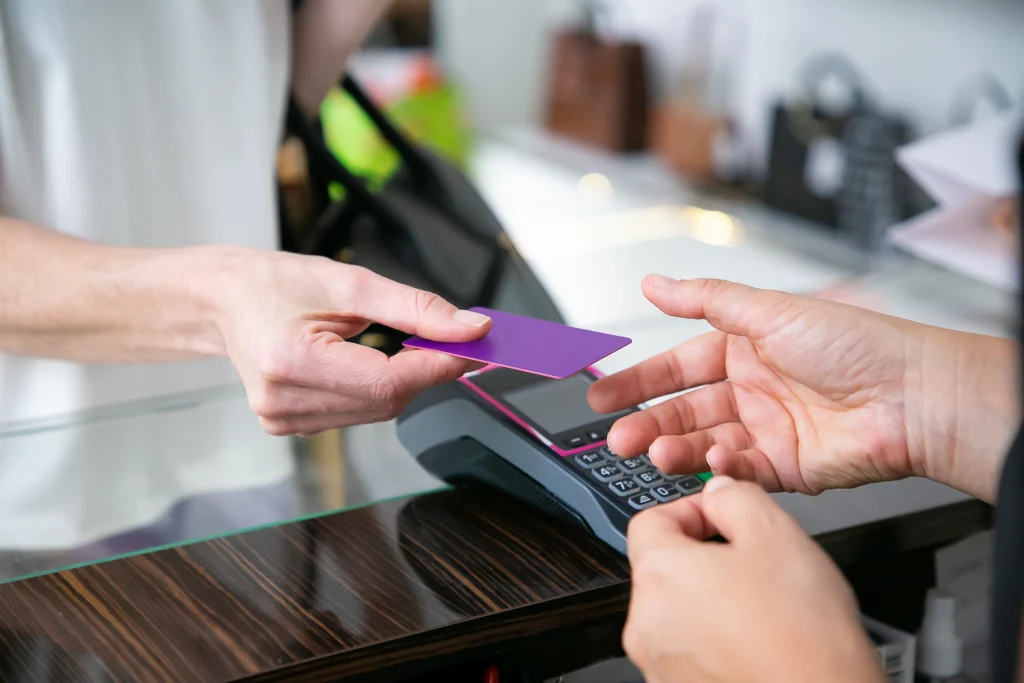
Pain Points You Must Know Before Selling
Most business owners face the same issues. Here are the most common ones:
- Long checkout lines
- Staff mistakes during busy hours
- Trouble tracking sales
- Hard time reading reports
- No simple view of stock levels
These issues slow down the business. They also cause stress for owners and staff.
What they Want Instead
Once buyers explain their problems, they often want simple fixes. They want tools that help them work faster and breathe easier.
They usually prefer:
- A system with clean screens
- Quick set up
- Easy training for new staff
- Clear data they can trust
- Strong support when something goes wrong
If you show how your POS can solve these points, you win their trust faster.
Using Buyer Insight to Craft Better Pitches
When you listen well, your pitch improves. You stop talking like a tech manual. You start talking like a partner who cares about their success. This is one of the best POS sales tips you can use right away.
Crafting an Irresistible Product Story that Sells Itself
Buyers love stories. They want to see how your POS system fits into real moments in their shop or cafe. When the story feels familiar, the product becomes easier to understand.
Turning Features into Clear, Visual Benefits
Instead of listing features, try showing what they do.
For example:
- A simple touchscreen saves minutes during rush hour.
- Smart reports help owners see what sells best.
- Smooth payments reduce long lines and customer frustration.
These examples connect the system to the real world.
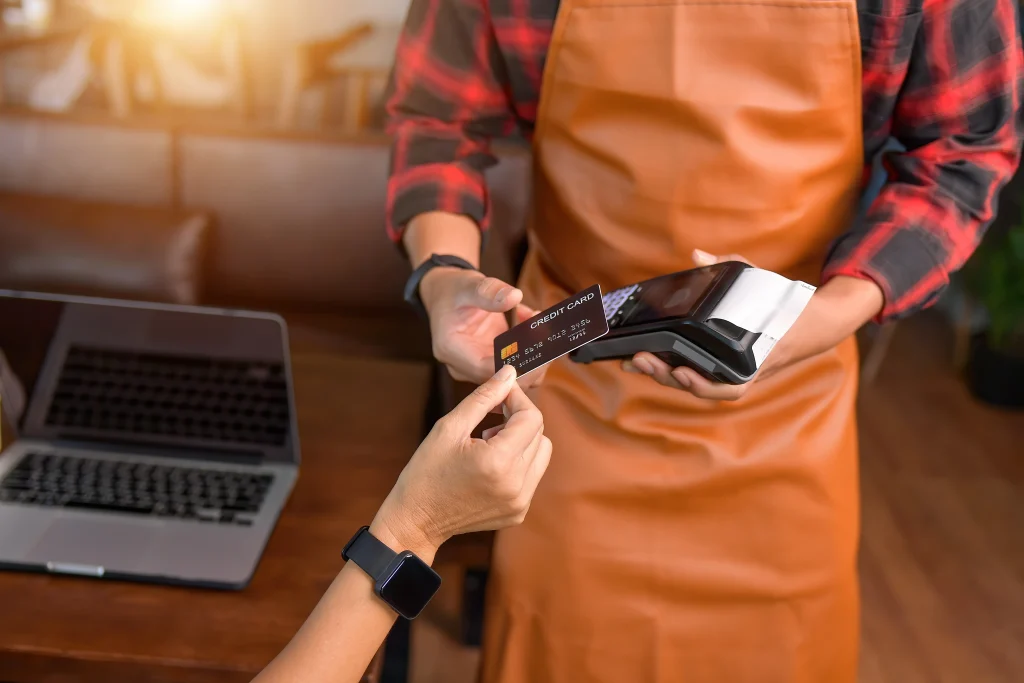
Real Use Cases that Make Buyers Say “I Need This”
Try sharing small stories. For instance:
- A retail owner cuts checkout time in half.
- A cafe owner stops losing track of stock.
- A barber shop uses fast payments to handle back-to-back clients.
These everyday wins speak louder than any long list of features.
Pricing Smartly without Scaring Off Buyers
Buyers want value. They do not always want the cheapest option. Too many sellers lose deals because the pricing feels confusing. A clear and simple structure can help you explain the product with confidence, especially when highlighting features like customer loyalty programs driven by POS systems, which show buyers the long-term benefits of their investment.
Common POS Pricing Models
There are a few standard models that most companies use.
One-time Purchase
This suits buyers who want ownership. They pay once and control updates later. Some prefer this because it feels direct and simple.
Subscription Model
This model gives buyers steady updates and support. They pay monthly or yearly. Many owners like this because they never feel stuck with old software.
Hybrid Pricing
Some sellers use a mix. The buyer pays for the hardware once, then pays a small monthly fee for software and support.
Smart pricing helps you build trust and can help you increase POS system sales.
What Buyers See When They Compare POS Offers
Most buyers compare at least two POS options before choosing. A clear table helps them understand what they get for the price.
| Factor | Low-cost System | Premium System | Buyer Impact |
| Price | Low upfront cost | Higher monthly cost | Affects long term value |
| Features | Basic tools | Full advanced set | Helps match business needs |
| Support | Limited help | Strong help | Builds trust and comfort |
| Upgrades | Few updates | Frequent updates | Keeps system fresh |
This comparison helps you refine your message. It also supports the next set of POS sales tips because you learn what matters most during buyer decisions.
Building Trust with Buyers Before the Sale Even Starts
Trust sells faster than any fun demo. When buyers feel safe with you, they listen more. They ask real questions. They open up about problems in their business. This gives you a strong base to present your solution.
Use Case Videos, Demos, and Trials
Visual tools help a lot. Videos show the system in real use. Live demos let buyers test buttons and screens. Free trials give them time to see how the system fits their daily tasks.
Testimonials that Focus on Real Outcomes
Buyers like proof. They look for honest stories from other owners. Use testimonials that focus on results such as:
- Shorter checkout time
- Fewer staff mistakes
- Better stock control
- Stable daily reports
These stories feel real and inspire confidence.
Training Your Sales Team to Sell the Experience, Not the Hardware
A good sales team understands the product, but a great sales team understands the person buying it. Confidence comes from practice. A strong team knows how to explain the system in simple language that makes sense to the buyer.
Key Skills Every POS Salesperson Needs
The best POS sellers often share these traits:
- Clear and patient communication
- Simple explanations
- Good listening habits
- Knowledge of retail and service routines
- Ability to map features to real needs
These skills help them guide buyers with ease.
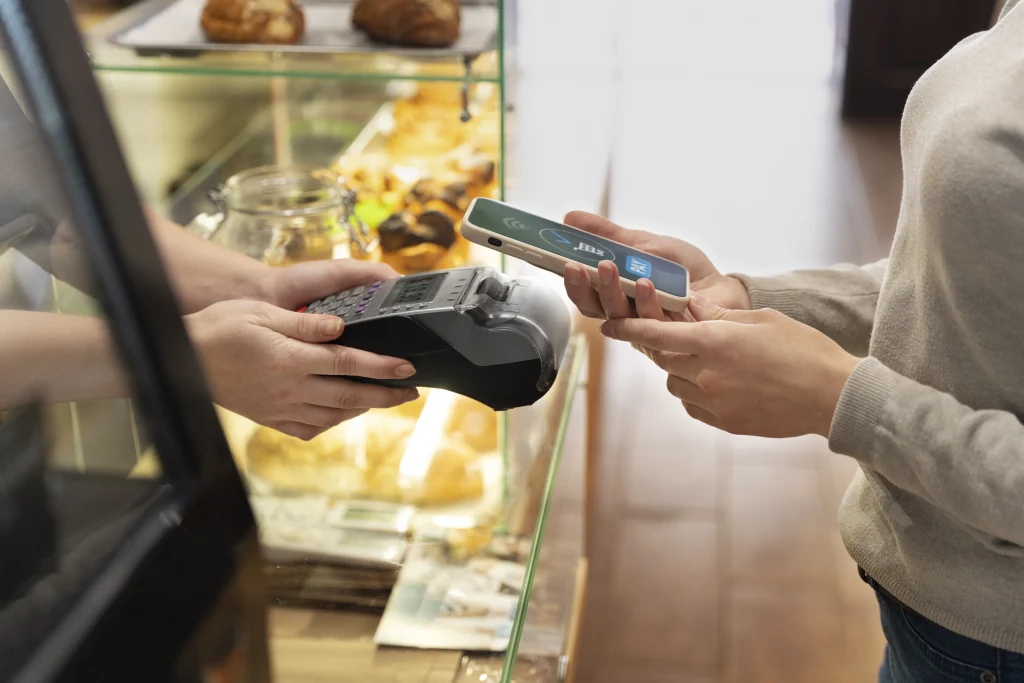
Phrases that Help Buyers Connect with Your Product
Small phrases help open the buyer’s mind.
Try phrases like:
- “Here is how this saves you time each day.”
- “This is what other shops gained from this feature.”
- “Let me show you how easy this screen feels.”
These lines help you increase POS system sales because they highlight real value instead of tech jargon.
Marketing that Actually Works for POS Buyers
POS buyers respond well to clear content that teaches and guides them. They want to see value before they buy. Strong marketing does not need to be fancy. It only needs to be honest and helpful.
Organic Marketing Ideas
Organic content helps build trust. You can try:
- Case studies
- Short demo videos
- Helpful blogs
- Real stories from users
These tools show value without pressure.
Paid Strategies that Make Sense
Paid ads can help reach busy owners. You can target restaurants, retail shops or salons. Local outreach and trade shows also help. These are some of the best POS sales tips because they reach buyers where they already spend their time.
The Bottom Line
POS sales grow when you focus on people, not just features. Buyers want tools that make work easier and help them feel more in control. When you tell clear stories, offer simple pricing, and build trust early, you stand out from other sellers. A good POS system can change a business. Your job is to show that change in a way that feels real and helpful.
Partner with POS Circle today to showcase your POS system clearly, build trust, and increase your sales fast!.
Increasing POS system sales starts with understanding customer needs and offering solutions that truly add value. Techniques for Keeping Customers to Increase Online Sales focus on reliable support, easy onboarding, and highlighting features that improve efficiency and profitability. Consistent follow-ups and clear demonstrations build trust and long-term relationships. Loyal customers are more likely to upgrade, recommend, and continue using your solutions.
Frequently Asked Questions
1. How can I attract more buyers for my POS system?
Focus on real problems your POS solves, like speeding up checkout, reducing staff errors, and simplifying reports. Highlighting practical benefits works better than listing technical features.
2. Who is the ideal audience for POS systems?
Restaurants, cafes, retail shops, salons, and small businesses need fast, accurate, and easy-to-use systems. Tailor your message to show how your POS helps them daily.
3. Do demos really help increase POS sales?
Yes! Live demos, video walkthroughs, and free trials let buyers see the system in action, build trust, and understand how it fits their workflow.
4. What is the best pricing strategy for selling POS systems?
Use clear and simple pricing. Options like one-time purchase, subscription, or hybrid models help buyers feel confident without being overwhelmed by hidden costs.
5. Why is after-sales support important for POS buyers?
Strong support reassures customers they are not just buying software—they are gaining a long-term partner. Quick installation, training, and troubleshooting lead to repeat business and referrals.
6. How can I show the value of my POS system without overwhelming buyers?
Tell real-life stories or use cases, like faster checkout at a café or better stock tracking at a retail shop. Show benefits visually and in simple language instead of technical specs.
7. How do I build trust before the buyer even decides?
Share testimonials, case studies, and clear comparisons. Offer free trials and show transparency in pricing and features to make buyers comfortable and confident.