When people talk about starting a business, they usually mention products, marketing, and maybe social media. Payments rarely come up in the first conversation. Yet, the moment a customer wants to pay with a card and you cannot accept it, the sale is already lost.
That is where merchant accounts come in. They are not flashy. They do not sit on your homepage. But they quietly decide how smoothly your business gets paid. For many owners, choosing the right small business merchant account becomes one of the most practical financial decisions they will ever make.
Let’s talk about what merchant accounts really are, how they work in real life, and why small businesses should care about them more than they usually do.
What is a Merchant Account?
A merchant account is not just another bank account with a fancy name. It exists for one main reason: to let your business accept card payments.
When someone pays you using a credit or debit card, the money does not jump straight into your business account. It takes a short stop in your merchant account first. That pause allows banks and payment networks to confirm the payment is valid and safe.
You can think of it as a temporary holding space that keeps everything organized and legal before your money arrives.
How they help:
- Confirm real transactions
- Reduce fraud
- Prevent fake charges
- Keep records clean
Without merchant accounts, card payments would be unreliable and risky for everyone involved.
This structure is what makes a business merchant account different from a normal checking account.
How a Merchant Account Works
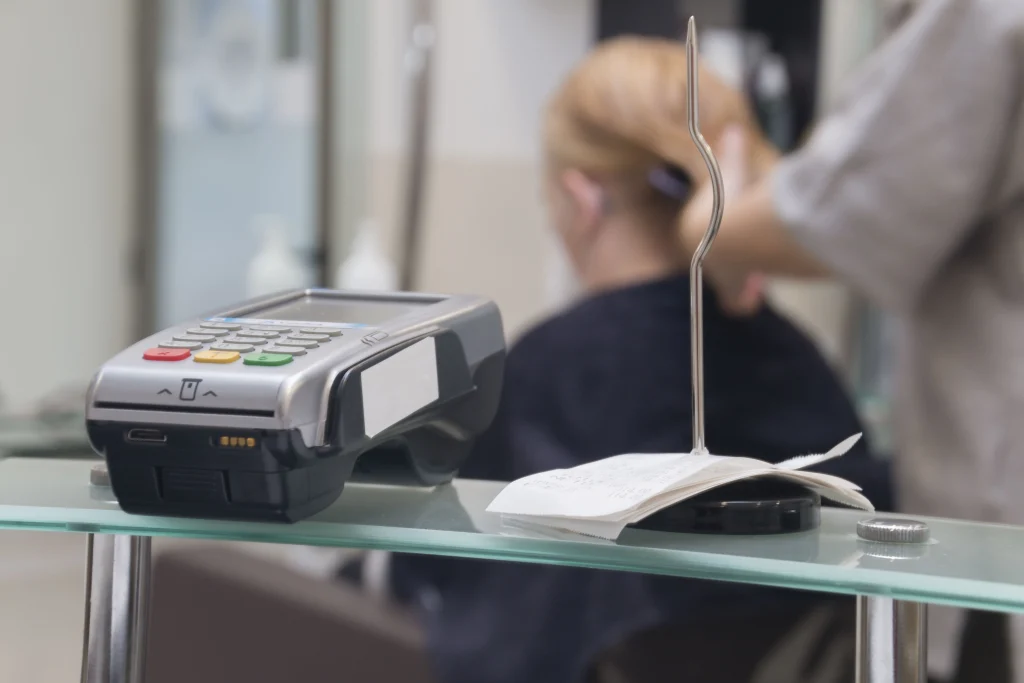
Most people never see what happens after a card is tapped. It feels instant. In reality, several steps take place in seconds.
What Happens During a Payment
- A customer pays with their card.
- The payment request travels through a processor.
- The bank checks if funds are available.
- Approval comes back or the transaction is declined.
- The money lands in your merchant account.
- Later, it moves to your actual business account.
That final transfer usually takes one to three business days, which is why having a properly structured small business merchant account helps maintain predictable cash flow.
Where Payment Gateways Fit in
A payment gateway is what carries your customer’s card information safely from your checkout to the processor. It is especially important for online businesses, where there is no physical card terminal involved.
It keeps sensitive data from falling into the wrong hands.
Merchant Account v. Payment Processor
These two are often spoken about as if they are the same thing. They are not.
- A merchant account is where the money waits before reaching you.
- A payment processor is what moves the information and funds between banks.
Some companies offer both together, which is why many business owners never realize they are two separate parts of the system.
Types of Merchant Accounts
Not all businesses operate the same way, so merchant accounts are not one-size-fits-all.
1. Retail Merchant Accounts
These are for physical stores where customers pay in person.
2. Online Merchant Accounts
Used by eCommerce businesses and service websites.
3. Mobile Merchant Accounts
Perfect for people who work on the move, like food trucks, delivery services, or event vendors.
4. High-risk Merchant Accounts
Some industries deal with more refunds or disputes. Travel, subscriptions, and digital products often fall here. These accounts cost more and come with stricter rules.
5. Why Risk Matters
Payment providers care about how likely a business is to face chargebacks or fraud. That risk level influences whether you get approved easily or face tighter conditions.
Benefits of Having a Merchant Account
The obvious benefit is accepting cards. But there is more to it.
- You make it easier for customers to pay.
- You get money faster than waiting on checks.
- Your business looks more credible.
- Your records become easier to manage.
Over time, these small advantages add up, especially when using a reliable business merchant account tailored to growth.
Costs Linked to Merchant Accounts
Merchant accounts are not free. That does not mean they are expensive, but you should understand where your money goes.
Typical Fees
- A small fee per transaction
- Monthly service charges
- Chargeback handling fees
- Equipment or setup costs
Interchange Fees
These go to banks and card networks. You cannot avoid them.
Provider Markups
This is where pricing varies the most between companies.
How to Choose the Right Merchant Account
Many small businesses rush this step. That is usually a mistake.
Start with Your Business Reality
Ask yourself:
- Do customers pay in person or online more often?
- Are your sales consistent or seasonal?
- Is your industry regulated?
- Do you expect rapid growth?
Your answers matter more than any sales pitch.
Understand Pricing Models
1. Flat Rate
Simple and predictable. Often good for beginners.
2. Interchange Plus
More transparent and usually cheaper for higher volume businesses.
3. Tiered Pricing
Looks simple, but often hides higher costs.
Read Contracts Carefully
If leaving a provider is hard, think twice. Flexibility matters more than most people realize at the beginning.
The Application Process
Opening a merchant account usually requires more than a quick signup.
What You Will Be Asked For
- Business registration
- Bank account details
- Owner identification
- Estimated monthly sales
- A website, if selling online
This is normal. Providers are checking risk and compliance.
Common Mistakes Small Businesses Make
Many business owners fall into the same traps.
- Choosing only based on the lowest rate
- Ignoring how chargebacks are handled
- Not reading termination clauses
- Outgrowing their payment system too quickly
Each of these causes stress later.
Merchant Accounts and Security
The moment you accept cards, security becomes part of your responsibility.
PCI Compliance
Any business handling card payments must follow PCI standards. These rules protect customer data and reduce fraud.
What that Looks Like in Practice
- Secure systems
- Updated software
- Limited access to card data
Fraud Prevention Tools
Good providers offer checks that quietly protect you in the background.
Merchant Accounts for Online Businesses
Selling online adds another layer of responsibility.
Secure gateways matter more here than anywhere else. If you sell internationally, currency support and cross-border fees become important very quickly.
Many businesses only realize this after problems appear.
Merchant Accounts and Cash Flow
How quickly you receive money affects daily operations more than most people expect.
Some providers settle funds daily. Others follow weekly cycles.
Faster access to money gives you more flexibility.
When You Might Not Need a Traditional Merchant Account
Some small businesses start with shared payment platforms.
Why People Use Them
They are easy to set up
They avoid monthly fees
They suit very small operations
Why They Are Not Always Ideal
Fees are usually higher
You have less control
Accounts can be frozen more easily
They work, but they are not for everyone long-term.
How Merchant Accounts Support Business Growth
As your sales grow, your payment system needs to keep up.
Dedicated merchant accounts handle higher volumes better.
They provide better reporting.
They allow rate negotiation over time.
These are small advantages that become big later.
Questions to Ask Before Choosing a Provider
Ask things most sales reps will not volunteer.
- Can fees change later?
- How is support handled?
- What happens if my sales double suddenly?
- Is leaving easy if things do not work out?
The answers matter more than marketing promises.
The Future of Merchant Accounts
Payments continue to evolve.
Contactless payments are becoming normal. Modern merchant setups now connect with accounting and inventory systems. Fraud protection keeps getting smarter while staying subtle. The whole structure shifts quietly forward.
Final Thoughts
Merchant accounts rarely get anyone excited. They are not flashy or fun to talk about. Yet they quietly keep your business alive. The one you choose decides how fast your money reaches you, how protected each sale is, and how comfortable buyers feel at checkout. When payments run smoothly, nobody stops to praise the system. And honestly, that is the best compliment it can get. Get started with a merchant account built for small businesses.
FAQs
Do small businesses really need a merchant account?
Yes. If you accept card payments regularly, a merchant account helps ensure faster payouts, safer transactions, and a more professional checkout experience for customers who prefer digital payments.
How long does it take to receive money from a merchant account?
Most merchant accounts transfer funds to your business bank within one to three business days, depending on your provider, transaction volume, and whether weekends or holidays are involved.
Can a merchant account be frozen or suspended?
Yes, if unusual activity, excessive chargebacks, or compliance issues arise. Choosing a reliable provider and maintaining clean transaction records greatly reduces this risk.
Are merchant accounts expensive for small businesses?
Not necessarily. While there are fees, many providers offer plans suitable for smaller operations, and the convenience and trust they add often outweigh the costs.
What should I check before choosing a merchant account provider?
Review pricing transparency, contract flexibility, customer support quality, security features, and how easily the service can scale as your business grows over time.