A POS system handles your sales transactions, but an integrated pos system does much more. It connects your sales, payments, inventory, and customer data into one streamlined platform.
No hopping between apps. No typing the same thing twice. Everything talks to each other on its own, right as it happens. Someone orders a sandwich? Boom. The kitchen sees it. The barista already has milk foaming. You are not chasing tickets or shouting updates. It just flows.
In simple words, you get one system that handles orders, payments, inventory, and customer data in one flow. No double work. No missing tickets. No guessing.
When your tools work in real time, your life gets easier. And your customers feel the difference.
The Love Story Between Tech and Business: A Simple Definition
A regular POS handles sales. Sure. But it often stands alone. You take an order. Then you manually update stock. Then you track payments somewhere else. Not fun.
An Integrated POS System links everything: orders, stock, payments, reports, and staff info. All connected. All live.
Think of it as your business control hub that never forgets anything and never makes you repeat tasks.
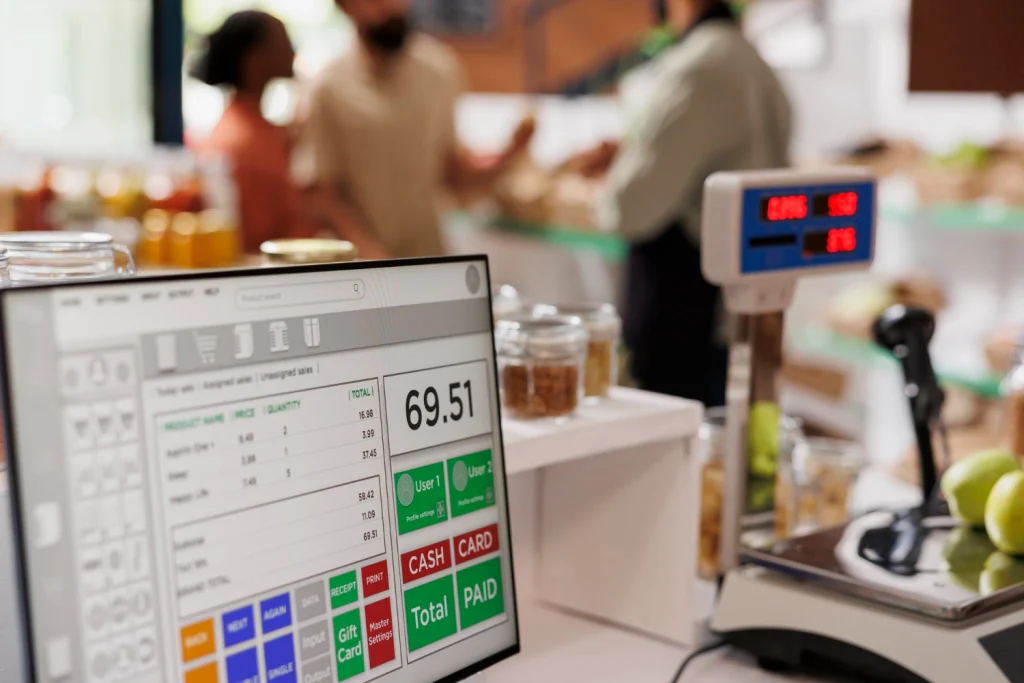
Quick Example:
- A customer orders a latte.
- The kitchen sees it.
- Your stock counts milk down.
- The receipt prints.
- Your reports log the sale.
- You keep serving smiles.
You do not chase paper. You do not retype orders. It just runs.
How Does it Actually Work?
Here is the fun part.
The Tech Magic
The system uses software, hardware, and cloud sync. Every tap updates all connected tools. No lag. No manual push.
This feels normal today, yet many small shops still use separate systems. That slows down service and increases mistakes.
What Responds When You Tap “Order”
- Inventory adjusts
- Kitchen or bar gets the ticket
- Customer profile updates
- Loyalty points track
- Reports refresh
The Integrated Payment System also posts the payment right away. No switching to another terminal. No delayed entries.
Key Parts of an Integrated POS System
Now let’s break this down into real-world parts you actually touch every day. Think of it like touring your business from the front counter to the back office. Each piece plays its own role, and when they all connect, your whole workflow feels smoother. This is especially true when you’re using POS systems that integrate with Shopify, because your in-store and online operations sync seamlessly, keeping inventory, sales data, and customer information aligned in real time.
Front Of House: Where Orders Begin
This includes tablets, counter screens, QR menus, self-order kiosks, and handheld devices for servers in restaurants.
FOH Magic Moments:
- Tickets go straight to the kitchen screens
- Servers see the table status fast
- Guests pay at the table if needed
This speeds service. It also reduces verbal errors.
Back Of House: Where Control Lives
Inventory, supplier orders, staff schedules, and menu updates live here.
BOH Stands Victorious
- Low-stock alerts before rush hours
- Better planning and costing
- Less waste and surprise shortages
This helps even small shops stay organized.
Payments And Payouts
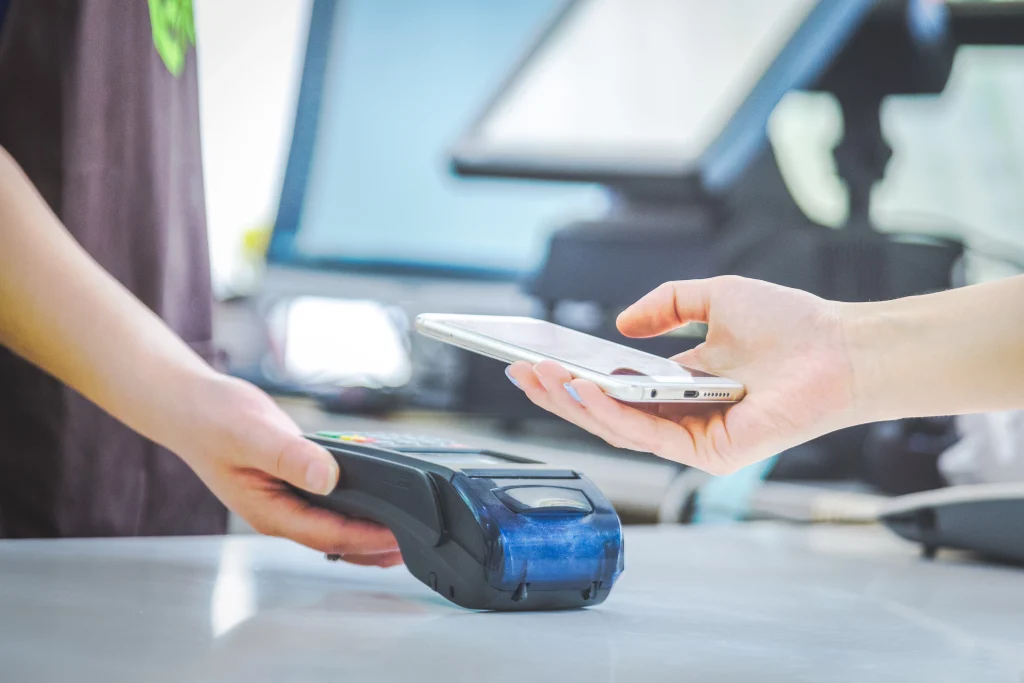
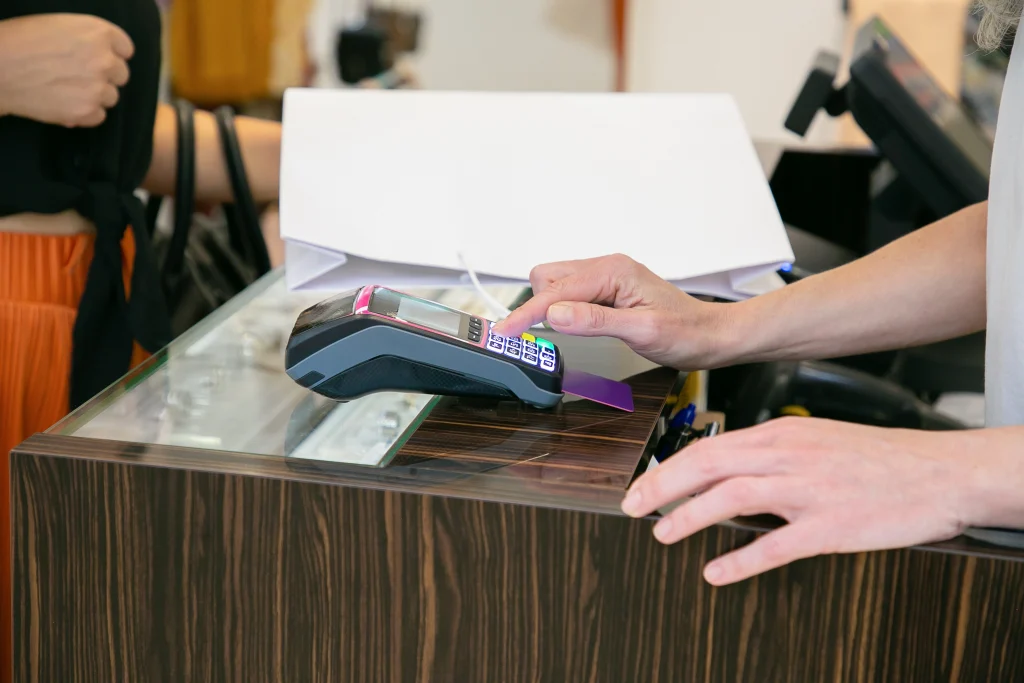
All cards, tap, mobile wallet, and online payments connect into one place. The Integrated Payment System handles each flow cleanly.
- No more matching receipts later.
- No more guessing where the money went.
Why Businesses Love Integrated Systems
So why are business owners so loyal to systems like this? Simple. They make everyday work feel lighter.
Let’s look at the real perks people feel once everything finally runs in sync.
Benefits that Actually Matter
This is not tech hype. This is daily comfort.
- Faster service
- Fewer mistakes from staff
- Automatic stock updates
- Clean accounting
- Easy loyalty tracking
- Real-time sales data
Restaurants often report smoother rush hours. Retail shops see fewer stock errors. Salons save time moving between screens.
Real-world Proof
- A busy lunch rush needs fast order routing
- A retail store needs instant stock info
- A bakery needs simple daily reporting
Both small and big teams feel the difference. And yes, an integrated POS system cuts stress for owners.
What to Look for When Choosing One
Not every setup fits every shop, so you want tools that feel easy, fast, and built for real daily use. Here is what smart owners keep an eye on when they shop for a system, especially when considering unified POS systems for multi-store businesses that keep operations connected, organized, and efficient across every location.
Must-have Features
- Real-time order sync
- Online ordering support
- Inventory tracking
- Staff management tools
- Reporting dashboard
Bonus Perks
- Loyalty programs
- Gift card support
- Offline mode
- Multi-location menu control
Ask for demos. See if the layout feels natural to use. Your team will thank you.
Who Needs it Most?
So who actually benefits the most from a setup like this? In short, any place where orders move fast, people multitask, and mistakes cost time or money.
Best Fit Industries
- Cafes
- Restaurants
- Retail shops
- Food trucks
- Salons and spas
- Fitness studios
Signs You Need One, Too
- You rewrite orders
- You lose tickets
- You count stock by hand
- You text the kitchen updates
- You manage payments on another machine
If any of those sound familiar, the right setup can save time fast. A smooth integrated payment system helps keep customers moving and staff relaxed.
The Final Call
When your systems talk, your business breathes. Orders feel smooth. Staff feels calm. Customers feel taken care of.
This is why connected tools are the new standard in modern food and retail spaces. You get real control and less stress. Your team focuses on service instead of screens.
A smart setup is not a luxury today. It is basic comfort. Work smarter. Save time. Let your shop run smoother than a fresh latte pour.
Want to understand the POS system better? At POS Circle, we have a team of specialists who are ready to help simplify your business operations. So, give us a call today and let’s connect to discuss deeply.
An integrated POS system connects sales, inventory, payments, and customer data into one smooth platform, helping businesses process transactions faster and more accurately. It works by syncing real-time data across all functions, reducing manual work and improving decision-making. When used effectively, it supports 5 Ways to Improve Customer Experience with a POS Machine, such as quicker checkouts, personalized service, accurate billing, and seamless payment options that keep customers satisfied and loyal.
Frequently Asked Questions
1. What does an integrated POS system mean?
An integrated POS system connects sales, payments, inventory, and customer data in one platform. It allows all business operations to sync automatically, reducing manual work and improving accuracy.
2. How is an integrated POS different from a regular POS?
A regular POS only handles transactions, while an integrated POS links with accounting, CRM, and payment tools. This ensures real-time updates and smoother business management.
3. Can an integrated POS system work for small businesses?
Yes, small businesses benefit greatly from integration because it simplifies tasks and provides clear insights. Many providers offer affordable cloud-based options suitable for startups and local stores.
4. Is an internet connection required for integrated POS systems?
Most modern integrated POS systems use cloud storage and need an internet connection. However, many also have an offline mode that syncs data automatically once the connection is restored.
5. What are the main benefits of using an integrated POS system?
The key benefits include faster transactions, real-time inventory tracking, secure payments, and better customer experiences. It also helps business owners make smarter, data-driven decisions.